Source Explosion Proof Boiler Level Gauge for Industrial Plants
Find and compare 30 explosion proof boiler level gauge options from verified Chinese manufacturers. Evaluate specifications like DN25-DN150 sizes, SS304/316 materials, and 4-20mA outputs to select the right instrument for your facility.
Key considerations
Products List


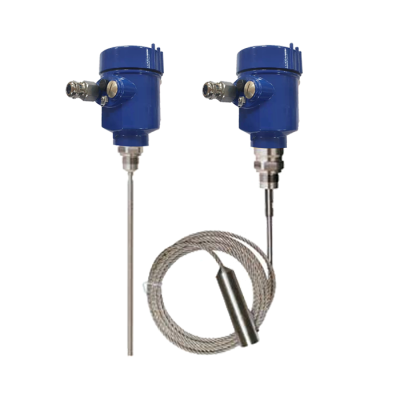

Explosion-Proof Ultrasonic Level Gauge for Precise Industrial Measurement
$17400.00 - $25800.00
Moq: 1


Comprehensive Sourcing Guide
Explosion Proof Boiler Level Gauge Sourcing Guide
Procuring explosion-proof boiler level gauges requires a rigorous approach to ensure that the selected instrumentation can withstand the harsh, high-pressure, and potentially hazardous environments found in industrial steam and oil systems. These devices are critical for maintaining safe operational levels in boilers where the failure of a level indicator could lead to catastrophic equipment damage or safety incidents. Buyers must prioritize units that combine robust mechanical construction with certified safety features to prevent ignition sources in volatile atmospheres. The supply chain for these components is specialized, often involving manufacturers who integrate magnetic, radar, or float-based sensing technologies with explosion-proof housing standards.
The market offers a diverse range of solutions, from magnetic flap gauges designed for direct visual monitoring to advanced radar and magnetic sensor systems that provide remote data transmission. When evaluating potential suppliers, it is essential to distinguish between general industrial level gauges and those specifically engineered for explosion-proof applications. The observed product data indicates a variety of models, such as the HC800 and HC68 series, which utilize different principles like magnetic sensors or float mechanisms. Buyers should verify that the specific model selected matches the exact pressure, temperature, and medium requirements of their boiler system, as the operating conditions for steam and oil applications can vary significantly.
Product Scope and Observed Listing Signals
The product landscape for boiler level gauges includes distinct categories based on their operating principles and structural designs. Observed listings feature magnetic flap gauges with local displays, often utilizing red and white indicators for clear visual feedback, alongside radar-based systems that offer high-precision remote monitoring. These radar units, characterized by their all-in-one structure and specific operating frequencies like 6.8GHz, are suitable for applications requiring high accuracy and long-range measurement capabilities. The scope extends to cable, rod, and coaxial types, each offering different measuring ranges, such as 0-30 meters for cable types and 0-6 meters for rod and coaxial configurations, allowing buyers to select the optimal sensor type for their specific tank or boiler geometry.
Listing signals also reveal a wide variance in nominal diameters and pressure ratings, which are critical for compatibility with existing boiler infrastructure. The data shows nominal diameters ranging from DN20 to DN150, with specific models supporting flange and thread-mounted connections like G1½a, G2a, and 1½NPT. Pressure ratings observed in the market span from standard industrial levels up to 25MPa, though typical working pressures for many magnetic and float gauges are noted around 2.5 MPa. Buyers must carefully cross-reference these listing signals with their system's nominal pressure and temperature limits, as the operating temperature range for some units extends from -160°C to +450°C, while others are limited to lower thresholds.
Technical Specifications to Verify
When verifying technical specifications, the primary focus must be on the compatibility of the gauge's material and pressure rating with the boiler's working medium. The supplied facts indicate that materials such as SS304 and SS316 are common for conventional magnetic gauges, providing necessary corrosion resistance for water, oil, steam, and non-corrosive media. It is imperative to confirm that the selected unit's working pressure, which can reach up to 2.5 MPa for certain models, exceeds the maximum operating pressure of the boiler to ensure a safe margin. Additionally, the strength test data, such as the observed 3.8MPa rating for specific valves, serves as a benchmark for the structural integrity of the assembly under stress.
Accuracy and response speed are equally critical parameters that define the reliability of the level monitoring system. Buyers should verify that the measurement accuracy meets the strict requirements of their process, with observed specifications ranging from ±0.1% to ±0.5% for high-end radar and magnetic sensors. The response speed, noted as greater than 0.2 seconds in some listings, ensures that the system can react quickly to rapid level changes, preventing overfilling or dry-running conditions. Furthermore, the resolution of 1mm and the sampling rate of 55 times per second for echo sampling provide the granularity needed for precise control, which is essential for maintaining optimal boiler efficiency and safety.
Compliance and Safety Documentation
Ensuring compliance with safety standards is non-negotiable when sourcing explosion-proof equipment for boiler applications. The documentation must explicitly confirm that the device meets relevant international certification standards, such as ISO and CE, which validate the product's adherence to safety and quality benchmarks. While specific explosion-proof certifications like ATEX or IECEx are not explicitly listed in the provided facts, buyers must demand proof of such certifications from the supplier to ensure the equipment is safe for use in potentially explosive atmospheres. The absence of these specific certifications in the general listing data necessitates a direct inquiry to the manufacturer to confirm the explosion-proof rating of the specific model being purchased.
In addition to safety certifications, the warranty and testing documentation provide a layer of assurance regarding the product's longevity and performance. The observed warranty period of one year for various models, including the HC800 and radar units, indicates a standard industry commitment to product reliability. Buyers should verify that the warranty covers not just the hardware but also the integrity of the explosion-proof seals and the accuracy of the sensors over time. It is also crucial to review the test results for the strength and pressure ratings, ensuring that the product has undergone rigorous testing to withstand the high temperatures and pressures inherent in boiler operations.
Cost Drivers and Commercial Terms
The cost of explosion-proof boiler level gauges is driven by several key factors, including the complexity of the sensing technology, the materials used, and the level of customization required. Radar-based systems with high accuracy and long-range capabilities, such as those with 6.8GHz operating frequencies, typically command a higher price point compared to simpler magnetic flap gauges. The material composition, particularly the use of high-grade stainless steels like SS316 for corrosive environments, also significantly impacts the final cost. Buyers should expect a wide price range, observed from as low as $0.50 for basic components to over $25,000 for fully integrated, high-specification systems, depending on the complexity and volume of the order.
Commercial terms, including Minimum Order Quantity (MOQ) and lead times, vary widely based on the supplier and the specific configuration of the gauge. The observed MOQ range spans from 1 unit to 500 units, offering flexibility for both small-scale projects and large industrial deployments. Customization options, such as specific process connections, flange sizes, and output signals like 4-20mA or Hart communication protocols, can influence both the cost and the lead time. Buyers should negotiate clear terms regarding the production timeline, especially for customized orders, and ensure that the packaging, whether encasement or wooden packing, meets the requirements for safe international shipping.
Supplier Qualification and Quality Control
Selecting a qualified supplier is paramount to ensuring the reliability and safety of explosion-proof boiler level gauges. Buyers should prioritize manufacturers with a proven track record in the industrial sector, particularly those originating from established manufacturing hubs like China or Hefei, where specialized production capabilities are concentrated. The supplier's ability to provide detailed product specifications, including nominal diameter, pressure ratings, and temperature ranges, is a strong indicator of their technical competence. It is essential to verify that the supplier can consistently deliver products that meet the observed standards, such as the DN20 to DN150 range and the specific pressure ratings required for boiler applications.
Quality control processes must be robust to ensure that every unit leaving the factory meets the stringent safety and performance requirements. Buyers should inquire about the supplier's internal testing procedures, including strength tests and accuracy calibrations, to confirm that the products are free from defects. The presence of certifications like ISO and CE suggests a commitment to quality management systems, but buyers should also request specific test reports for the explosion-proof features of the gauges. Additionally, the supplier's ability to handle custom orders and provide accurate communication protocols, such as Hart or 4-20mA outputs, demonstrates their capacity to meet diverse industrial needs.
Long-Term Procurement Checks
Establishing a long-term procurement strategy involves regular audits of the supplier's performance and the ongoing reliability of the installed equipment. Buyers should implement a schedule for periodic inspections of the level gauges to verify that the accuracy, response speed, and structural integrity remain within the specified limits over time. The observed warranty period of one year serves as a baseline, but long-term contracts should include provisions for extended support and maintenance to ensure continuous operation. Regular checks on the communication protocols and output signals are necessary to detect any drift in performance that could compromise the safety of the boiler system.
Sustainability and supply chain resilience are also critical considerations for long-term procurement. Buyers should assess the supplier's ability to maintain consistent production levels and provide timely replacements for any units that may fail or require upgrades. The availability of spare parts, such as flanges, seals, and sensor modules, should be confirmed to minimize downtime in the event of a failure. Furthermore, staying informed about updates to safety standards and technological advancements in level measurement technology will ensure that the procurement strategy remains aligned with the latest industry best practices and regulatory requirements.
FAQs
What certifications are available for explosion proof boiler level gauges?
Explosion proof boiler level gauges typically feature ISO and CE certifications to ensure compliance with international safety and quality standards. These certifications verify that the manufacturing processes and final products meet rigorous regulatory requirements for industrial environments. Buyers should verify specific certification documents with suppliers to confirm suitability for their regional compliance needs and operational safety protocols.
Can explosion proof boiler level gauges be customized for specific applications?
Yes, customization is available for explosion proof boiler level gauges to meet unique industrial requirements. Manufacturers can adjust specifications such as nominal diameter, pressure ratings, and connection types to fit specific boiler systems. This flexibility allows buyers to obtain tailored solutions that integrate seamlessly with existing infrastructure while maintaining high performance and safety standards in demanding operational conditions.
What is the nominal pressure rating for these level gauges?
The nominal pressure rating for these level gauges is 25MPa, indicating high durability for industrial boiler applications. This rating ensures the device can withstand significant internal pressures without compromising accuracy or safety. Buyers should confirm that the selected model matches their system's maximum operating pressure to prevent failures and ensure reliable long-term performance in high-pressure steam or water environments.
Which materials are used in constructing explosion proof boiler level gauges?
These level gauges are commonly constructed from stainless steel grades such as SS 304 and SS 316. These materials provide excellent corrosion resistance and mechanical strength, making them suitable for handling water, oil, steam, and other non-corrosive media. The choice of material ensures longevity and reliability in harsh industrial environments where exposure to heat and chemicals is frequent.
What is the operating temperature range for these devices?
The operating temperature range for these level gauges extends up to 250°C, with some models supporting temperatures from -160°C to +450°C. This wide range allows for versatile use in various industrial processes involving steam or hot liquids. Buyers must select the appropriate model based on their specific boiler temperature profiles to ensure accurate measurement and prevent thermal damage to the device components.
How is the accuracy of radar level gauges defined?
Radar level gauges offer high accuracy with specifications such as 0.2% or less than 0.1% measurement error. These devices utilize echo sampling technology to provide precise level readings in challenging industrial environments. The high resolution and fast response speed ensure that operators receive real-time, reliable data for effective process control and monitoring of boiler levels.